
Finch’s Shifting Personas
All the Bright PlacesThis thread traces Theodore Finch’s changing constructed identities as both creative self-expression and a strategy for managing inner instability.
increasing Bearing strength in each event
 decreasing
Bearing strength in each eventdecreasingThe Many Finches
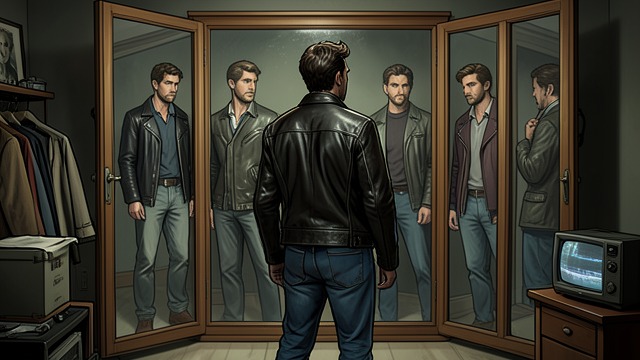
The Many Finches
Reinvention as habit
Theodore Finch describes trying on different selves, from an imagined 1980s version to later performances shaped by music, clothing, and mood.
A divided question
He wonders whether people respond to a persona rather than to the person underneath. The changing presentations can be playful, but they also make continuity difficult to trust.
His identity is not merely a costume; it is part of how he negotiates an unstable sense of self.
The British Finch

The British Finch
An invented world
Theodore Finch adopts a British accent and fabricates a past involving London, bands, and a girlfriend. The story gives him a temporary home and a confident role.
A performance with purpose
He uses the persona to feel fearless and to imagine a world without cruelty or judgment. It fades when he sees Violet Markey with Ryan Cross.
The invented self offers relief, but the ordinary social world still reaches him.
The Badass Jacket
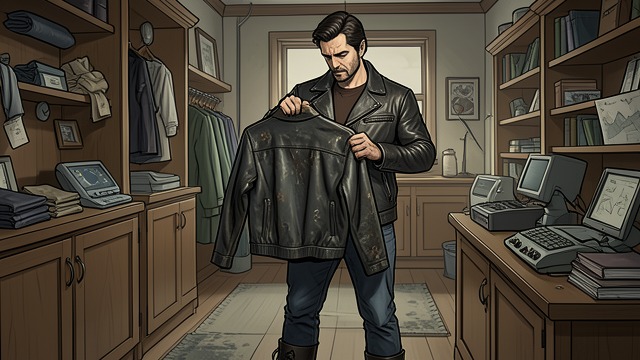
The Badass Jacket
A new outward shape
Theodore Finch shops with Charlie Donahue and Brenda Shank-Kravitz, choosing a worn leather jacket and oversized boots that suggest a tougher persona.
Confidence and fragility
The look briefly helps Finch approach Violet with confidence. Yet the persona does not remove his fear of rejection or the instability that returns when he is alone.
Clothing gives him a role to inhabit, not a permanent answer to who he is.
The All-American Version

The All-American Version
A quieter presentation
At Blue Hole, Theodore Finch appears in a cleaner, shorter-haired style that Violet Markey calls All-American. He plays down the turbulent versions she has already met.
Intimacy without disguise
The pair swim and discuss fear, family, and the future. Finch admits more about his father but still avoids speaking plainly about the depth of his crisis.
The persona softens, while disclosure remains incomplete.
The Question of the Real Finch
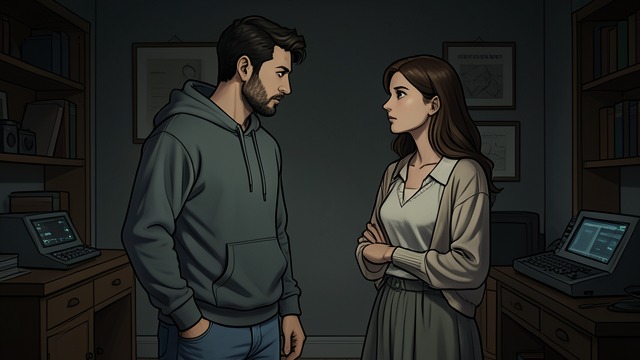
The Question of the Real Finch
Fear of being loved selectively
Theodore Finch worries that Violet loves only one of his changing versions. His playful identities can no longer fully protect him from that fear.
A fragile acceptance
Violet values his difference and tells him she loves him, but the underlying mood shifts continue. Finch’s final crisis shows that affection cannot make the personas cohere by itself.
His story resists a simple distinction between false masks and a single easily recovered true self.
Early January, as he returns to school
Mid-January, at school
Mid-January, after the first wandering
Mid-February, at Blue Hole
Late January, after his birthday celebration
